Forest Flash: Wins for Wildlife
In Pacific Forest Trust’s e-newsletter, Forest Flash, we send you the most recent PFT news and updates on forests, clean water, climate, and wildlife. Subscribe here.
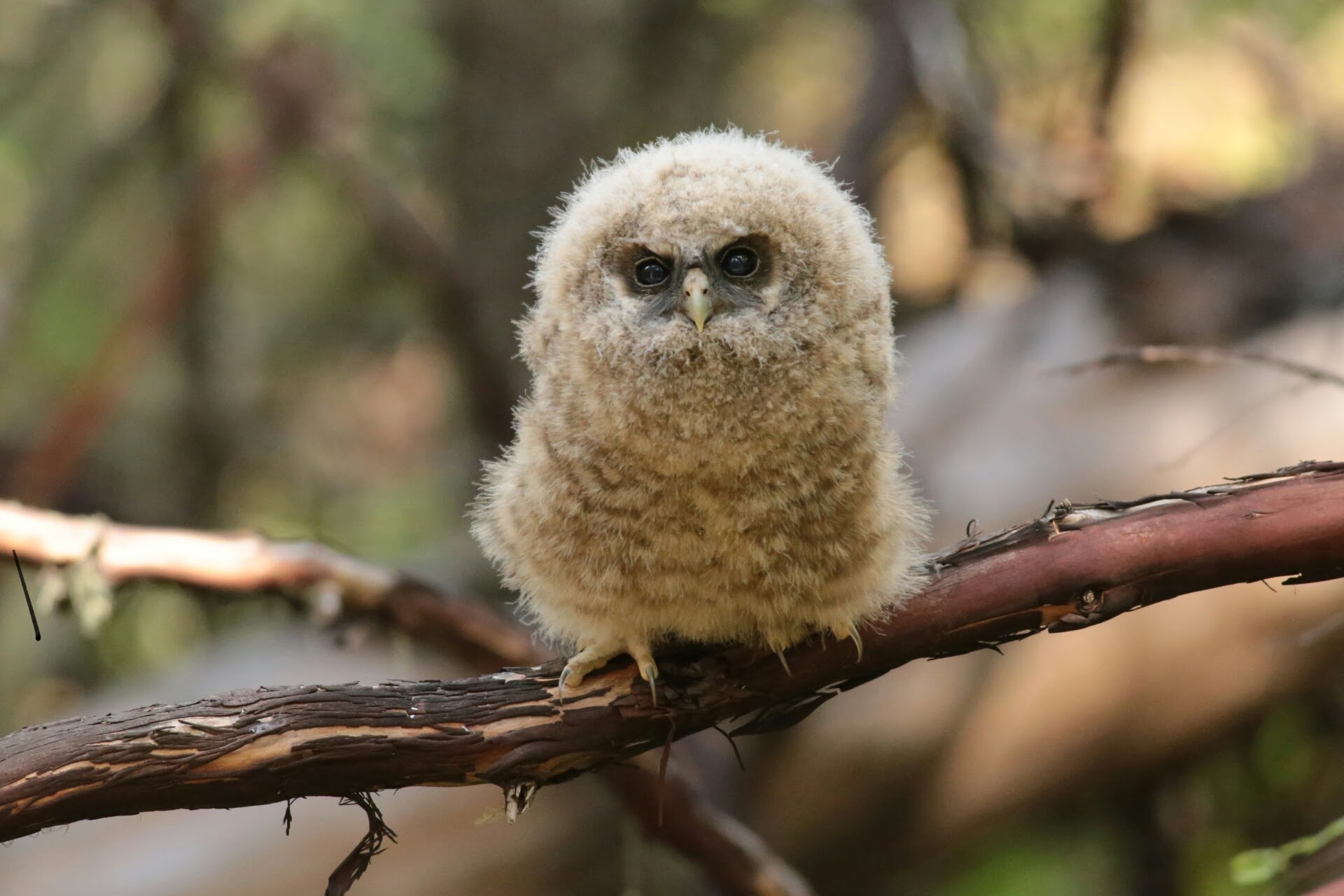
Oregon wouldn’t be Oregon without its magnificent landscapes and extraordinary wildlife. This irreplaceable natural heritage is a key reason so many visitors come to the state—and why investing in their conservation makes so much sense. That’s why Pacific Forest Trust strongly supports HB 4134, the proposed new lodging tax which would support wildlife. The bill, which passed the House yesterday, will directly protect and preserve the health and beauty of the state’s fish, wildlife, and unique natural habitats by raising funds through a quite modest 1.25% increase in the state’s transient lodging tax.
The tax would not affect Oregonians’ everyday cost of living and would be paid primarily by visitors. Even with the increase, Oregon would still have the third-lowest transient lodging tax in the nation. This small increase will help ensure that future Oregonians will enjoy the rich and diverse natural gifts we enjoy today—and maybe even improve them!
The bill would provide sustained funding to prevent the spread of invasive species, reduce wildfire risks, address poaching, reduce conflicts with wildlife, conserve habitats, and support jobs in the natural resource field. In the State Wildlife Action Plan, Oregon Department of Fish and Wildlife has identified 324 species of wildlife and 11 habitat types in direct need of help to survive and thrive. This plan guides much of PFT’s work in Oregon, yet it has never had dedicated funding. HB 4134 would provide key resources to meet those goals and make a lasting difference for generations to come.
We urge the Governor to sign HB 4131; and, if you support wildlife, contact her office to encourage her signature on this important bill.
PFT’s Stewardship in Action
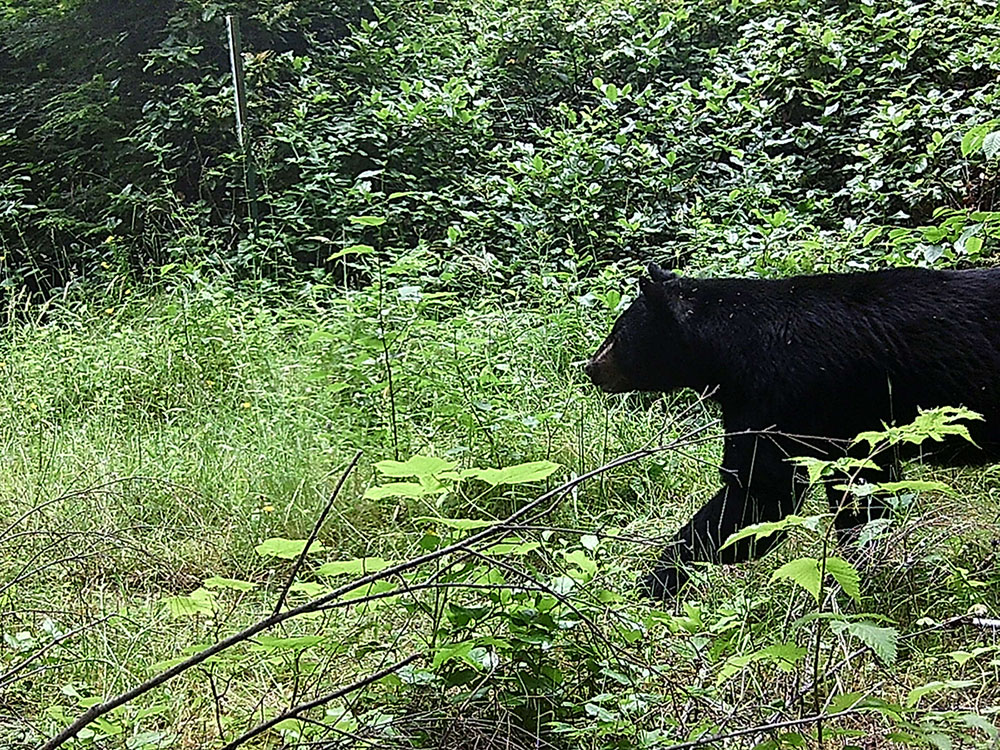
This past year’s stewardship work across Pacific Forest Trust’s conservation easements continued to set long-term forest management standards, restore wildlife habitat, maintain connectivity, and ensure that these valuable private forests stay as well-managed working forests .
Our stewardship staff monitored 38 conservation easements covering 130,000 acres in 2025. The success of conservation outcomes on these lands relies on PFT’s long-term partnerships with landowners and thoughtful oversight and ecological review.
In addition to reviewing permitted activities, staff visit every property every year talking with land owners and managers, walking key habitats, documenting current conditions, and documenting them before and after management. Habitat management plans are carefully reviewed to ensure alignment with easement terms. Finally, all of these efforts are summarized in an annual monitoring report for each landowner.
The care of these individuals, families, and companies for the environment and wildlife they steward is evident through countless success stories illustrated by threatened and endangered wildlife thriving on their conserved lands. From Sandhill Cranes using wet meadows, to Pacific Fisher found with nesting sites to willow flycatchers in restored riparian areas, over 800 species make their homes on PFT conserved lands. Our stewardship staff are key partners supporting landowners in ensuring wildlife will thrive across generations and the landscape.
Supporting Wildlife through Ecological Forest Management
Pacific Forest Trust currently manages 11,000 acres of forests, from California’s redwoods to the mixed conifers around Mt. Shasta and Oregon’s Siskiyou Crest to Oregon’s coast range. Our management supports ensures clean water, climate resilience, and underpins local economies, as well as thriving wildlife habitats. We are seeing powerful examples of what thoughtful forest stewardship can achieve for wildlife. From bobcats to elk to sturgeon, PFT’s management supports homes for a diversity of thriving wildlife and fish.
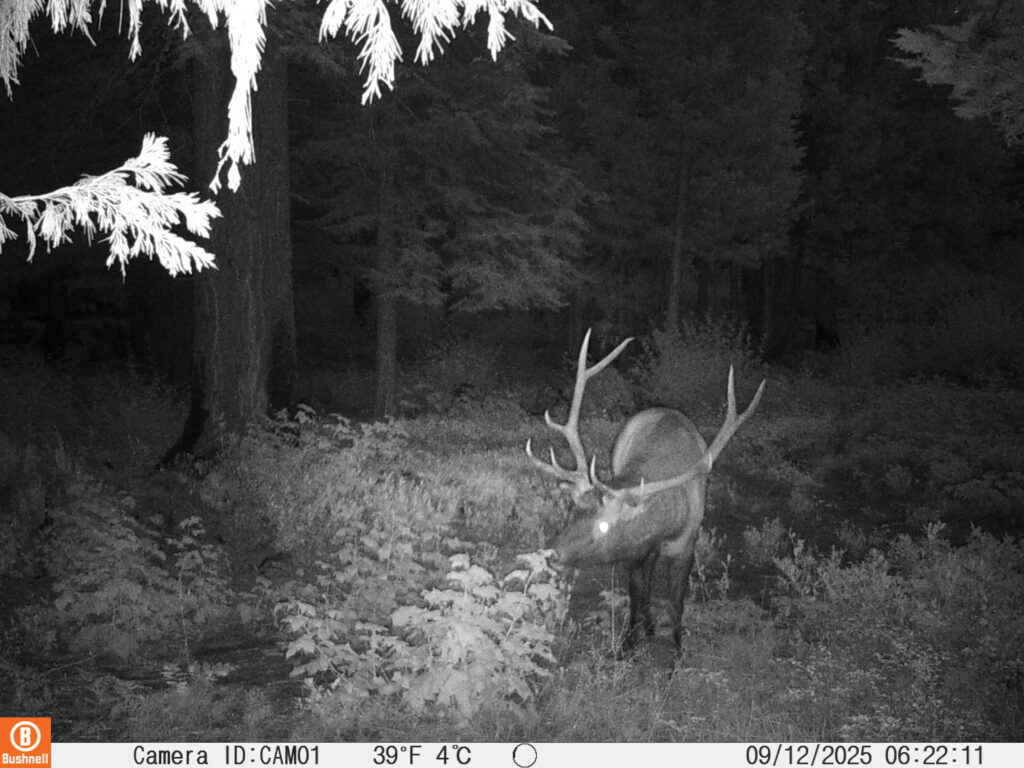
For the first time in 100 years, elk were spotted last fall at one of these where we recently conducted a series of prescribed burns to reduce fuels and restore ecosystem processes. With nutrients are cycling back into the soil, native grasses and shrubs are regenerating well. This fresh new growth provides important food for elk and other wildlife. On land once at risk of subdivision, a keystone species has returned to this part of a 3 million acre Mt. Shasta Headwaters region—a network of connected public and private land which is home to myriad wildlife.
At the van Eck Oregon Forest, our team recently observed a 6 – 7 foot sturgeon feeding in Poole Slough, a critical estuarine habitat at the mouth of Wright Creek. That sighting reflects years of restoration work. For example, in 2022, PFT removed a historic railroad grade that had blocked tidal flow, reconnecting saltwater and freshwater systems, just downstream of where the sturgeon was later seen. We have also upgraded watercourse crossings, reduced sedimentation, restored beaver habitat, and placed large wood around the estuary habitat to provide habitat for salmon, steelhead, and sturgeon.
These wildlife restoration projects are all part of our annual forest management, illustrating how ecologically oriented timber harvesting supports PFT’s goal of managing forests for wood, water, wildlife, and wonder.