Forest Flash: March 2026
In Pacific Forest Trust’s e-newsletter, Forest Flash, we send you the most recent PFT news and updates on forests, clean water, climate, and wildlife. Subscribe here.
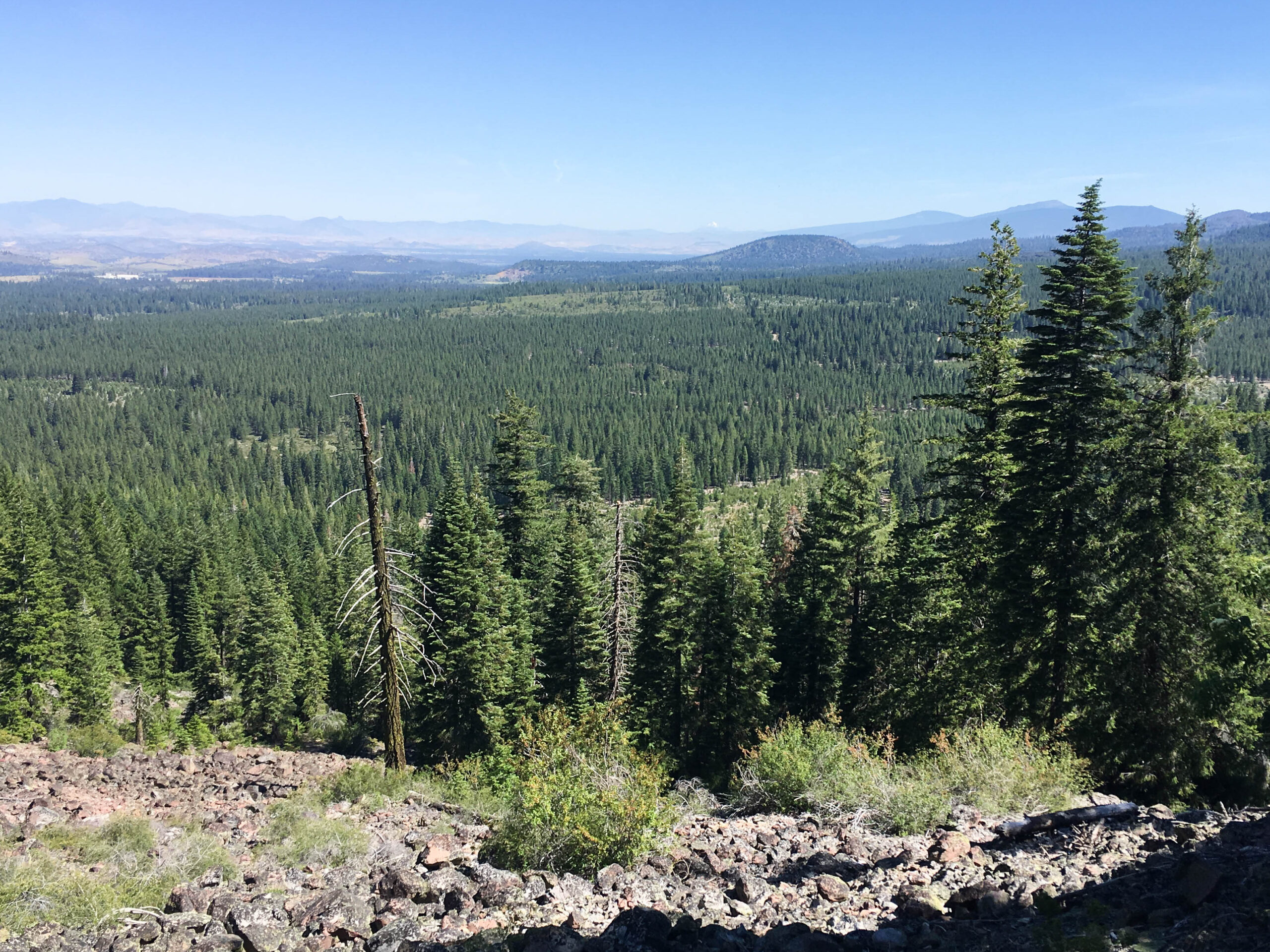
Reducing excessive fuels loads is imperative in California, and at the same time, so is restoring and maintaining key habitats for threatened species. Frequently, however, methods of reducing fuels also harm venerable species. With significant support from the Moore Foundation, amongst others, PFT has been researching and documenting fuels reduction methods that also benefit endangered and threatened species, focusing initially on the seven main ecosystem types of Siskiyou County, California.
Ecosystems in this region were shaped by frequent, low to moderate intensity fires, whether ignited naturally or through indigenous stewardship. Species and habitats here are all fire adapted. These lower intensity fires help control pests and diseases, reduce invasive species, and bring nutrients back into the soil.
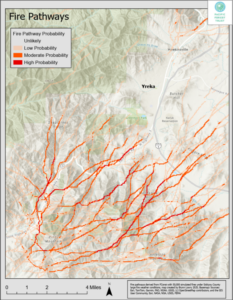 But after a century of fire suppression, excess fuels have built up across the landscape. When fire burns in an area with excess fuel, it burns hotter, spreads faster, and climbs into the forest canopy—causing greater damage to habitats and nearby communities.
Fuels reduction is essential to lowering fire intensity, and how it’s done makes a difference. Some of the common approaches can unintentionally harm the ecosystems they’re trying to protect.
For example, broad-scale mastication strips away critical habitat, and, depending on the time of year, can destroy nesting habitat for small mammals, birds, amphibians and many insects. Similarly, large, continuous fuel breaks fragments sensitive landscapes and removes large areas of habitat. Last, aggressive salvage after a fire removes important shelter when wildlife needs it most.
Our work focuses on identifying equally effective approaches that also support these habitats and the species that depend on them. These practices are designed to support both fire resilience and biodiversity. These includes retaining older trees within meadows and overcrowded young conifer stands. Older trees, especially oaks, have thick bark and are naturally fire resistant. Within oak woodlands, removing young, encroaching fir trees, and reintroducing regular burns both restores soil fertility and maintains the natural floral diversity. Thinning out younger stands by at least a third restores the spacing for fire to have lower flame lengths as it passes through a stand. Timing is also important. For example, spring burning can unintentionally harm nesting birds and emergent insect populations
These approaches help restore the benefits of low-intensity fire, reduce the risk of severe wildfire, and maintain habitats for threatened species such as northern spotted owls and fishers. The final product of this work will be a best practices manual for land managers to both manage fire and support the rich and often imperiled biodiversity of Northern California.
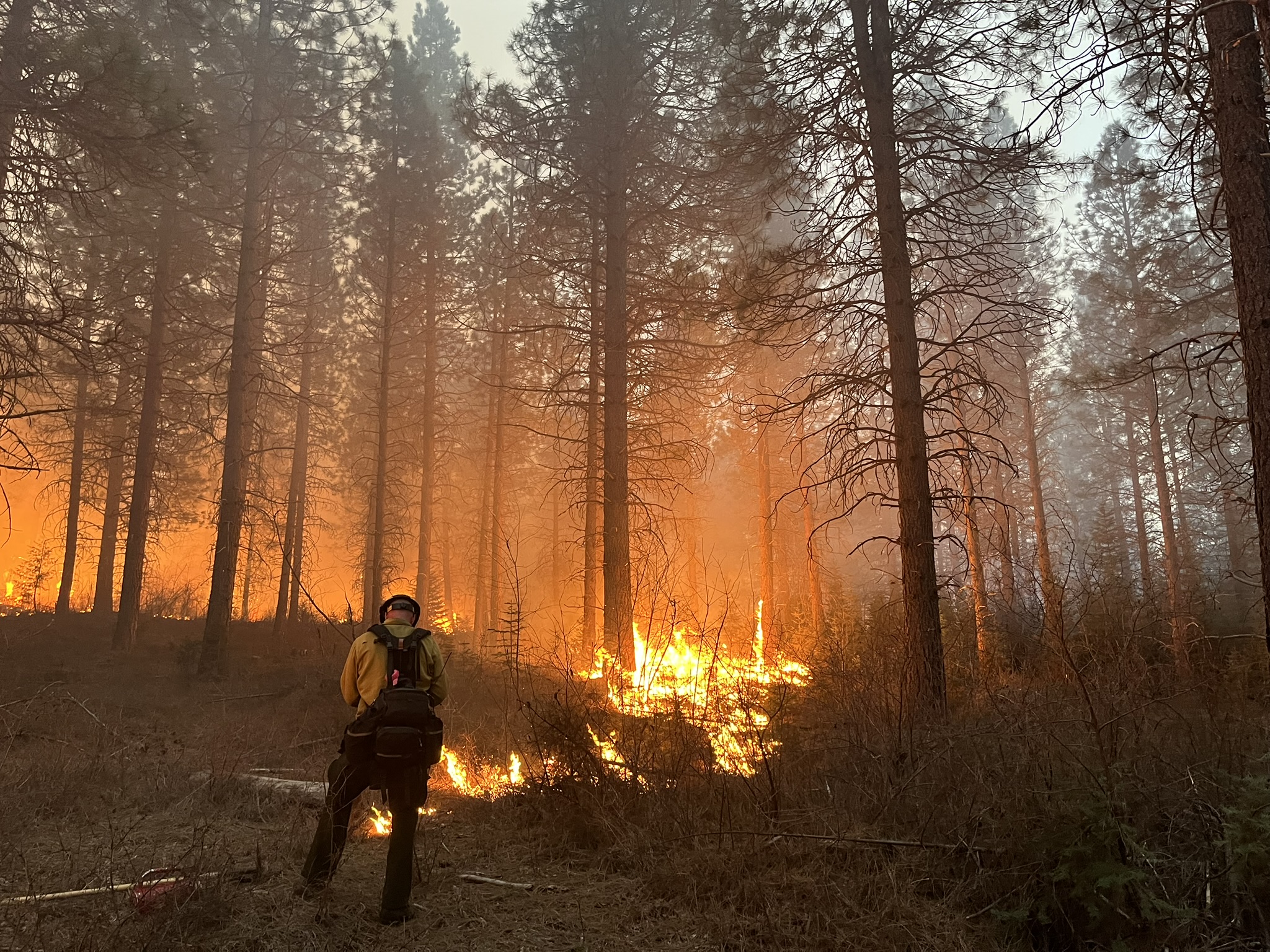
Earlier this month, the final “first entry burn” took place at our McCloud Soda Springs project, marking the completion of this historic restoration of fire to a commercially managed, productive forest.
This highly productive 1346 acre mixed-conifer forest now forms a horseshoe-shaped “fire buffer” around the historic town of McCloud in Siskiyou County. As the property borders both homes and historic buildings, managing wildfire risk is essential to protect the community. A changing climate, more densely packed forests, and decades of fire suppression made bringing fire back as a forest management tool more important than ever.
Pacific Forest Trust manages and conserves this working forest on behalf of Schroll Timberlands. Since 2018 when we completed a Working Forest Conservation Easement on the property, PFT has been managing the forest to restore a more naturally productive, biodiverse and fire resilient system. Our prescribed burns carried out over the past three years is the largest prescribed fire project on a commercially managed forest in California in generations. Earlier burns have already delivered clear benefits to both the ecosystem and community. The meadows and riparian areas have notably improved vegetation overall, and increased forage and habitat for numerous species dependent upon these habitats. We were thrilled that elk returned to the property for the first time in a century.
This final burn covered 110-acres and involved the local community in its execution. Community engagement in the project and its development has been key from the start, and we were delighted that the McCloud Community Service District’s Volunteer Fire Department, had 18 volunteers participate in this final burn. They gained valuable hands-on experience with live fire in a non-emergency situation, preparing them to deal proactively with fire to reduce future risks. Restoring beneficial fire safely to McCloud Soda Springs can now serve as a model for surrounding ownerships to consider, especially as a key to reducing risk for the McCloud community.
Click below to watch a video about this project at McCloud Soda Springs.
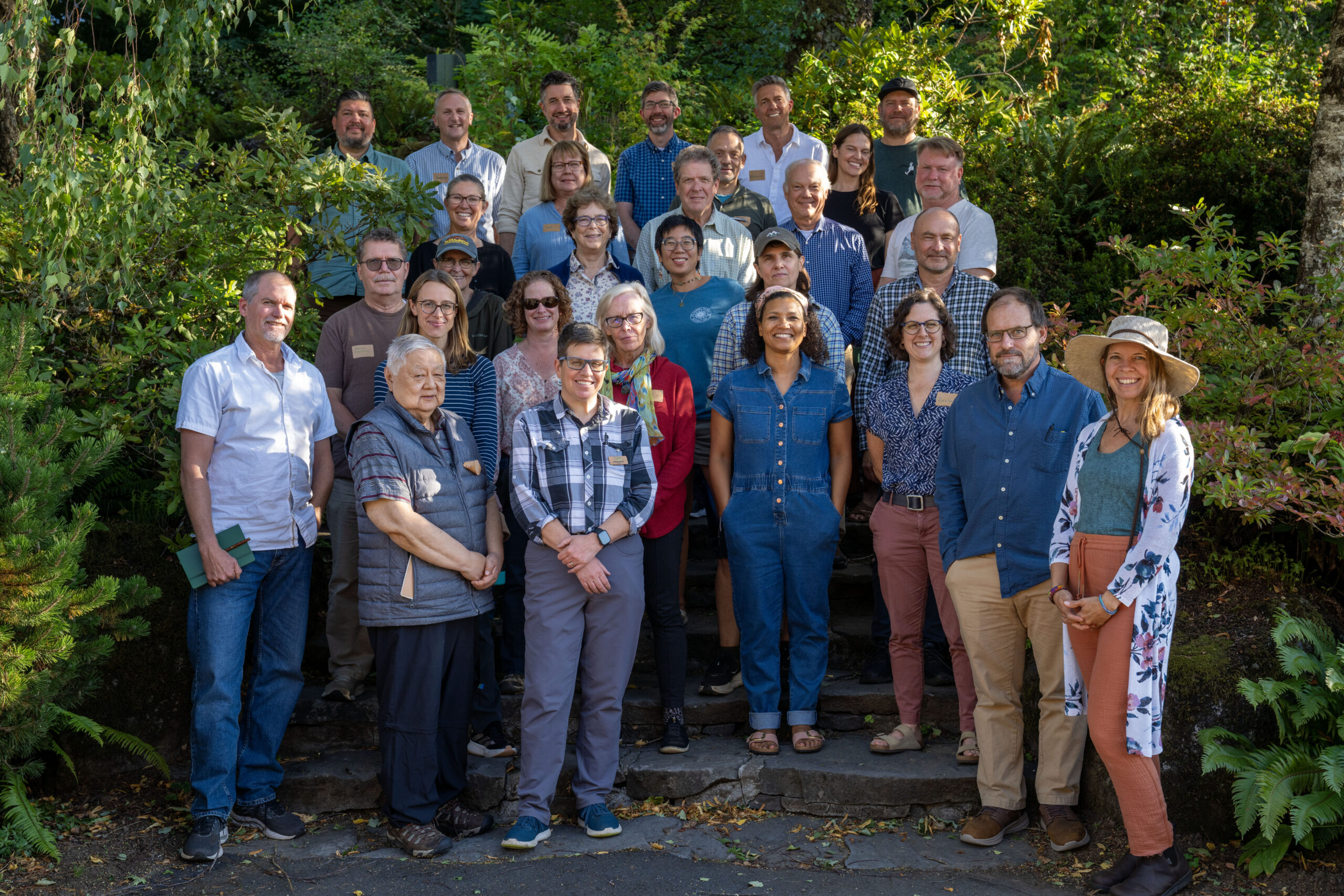
The Volgenau Climate Initiative (VCI) and Pacific Forest Trust are working together to build a network to advance nature-based solutions which restore, manage, and maintain old and mature forests across the Pacific Northwest—forests which have immense potential to impact the climate crisis. This follows a significant convening of a broad array of stakeholders last year convened to discuss this opportunity.
 Older forests store significantly more carbon than younger ones, while also supporting watersheds, biodiversity, wildfire resilience, and rural communities. Protecting and enhancing these forests is one of the most powerful and immediate climate strategies available.
What makes this, and the work of VCI overall, especially exciting is its collaborative approach. The initiative brings together stakeholders from across a wide variety of sectors, including private forest owners both large and small, government agencies both state and federal, tribes, mills, scientists, and NGOs. While each group brings different perspectives and priorities, they share a common recognition of the value of older forests and a goal to expand these back to the larger landscape. In fact, the different points of view can often be a benefit because they encourage new, innovative solutions which take many perspectives into account.
Pacific Forest Trust is proud to support this important group, working with VCI to support the coordination and growth of this effort. The program is just starting, with initial projects including:
- How to incentivize longer rotations to have older stands and store more carbon across the landscape
- Developing a case study on management strategies to promote older forests based on work in the Klamath River Restoration Project
- Developing revenue bonds to fund fuels reductions, promote beneficial fire and establish older, more carbon rich and climate resilient forests across Oregon
There’s a lot more inspiring work ahead, and we’re thrilled to have the opportunity to support, facilitate, and expand such a diverse and dedicated group to advance meaningful climate solutions rooted in our magnificent Pacific Northwest forests.
ICYMI
In case you missed it (ICYMI), here are some other exciting things PFT has been involved in lately!
- In December, PFT completed a historic landback project with the Southern Sierra Miwuk Nation. Explore the extensive media coverage here.
- Assembly member Chris Rogers recently discussed his bill AB1699, the Good Fire Act, at a press conference. Learn more about the goals of the bill and why it’s important.
- PFT president and co-founder Laurie Wayburn wrote an op-ed in response to a recent article about raising the height of Shasta Dam, explaining other forest-based solutions to water reform. Read more details here.
- As part of the Accelerating the Transition Conference during Climate Week in San Francisco, Laurie Wayburn is speaking alongside Will Horwath, distinguished professor of soil biogeochemistry, on Managing Forests and Agricultural Lands for Climate Benefits. They will be speaking at 3:00 p.m. on Monday, April 20th at UC Law. Click for more details and to register for the conference.
- We’re hiring! If you love forests and have experience in fundraising or conservation project management, check out our current job openings.