
Epstein Family Forest
Working Forest Conservation Easement
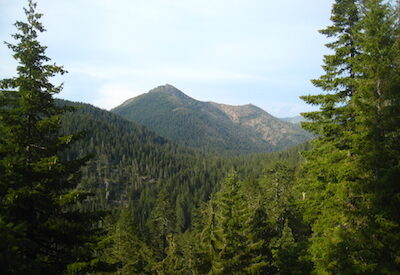
Tucked into the Siskiyou Mountains above Ashland, the Epstein Family Forest is a beacon of ecological restoration and fire resilience. This 405-acre conservation project protects a rich mosaic of oak woodlands, conifer forests, riparian corridors, and wetlands—supporting rare wildlife and clean water, sustaining scenic trails, and demonstrating the power of climate-smart forestry in the wildland-urban interface.
What started out as Bill and Sarah Epstein’s search for a beautiful homesite at the edge of the City of Ashland in 1986 blossomed into a commitment to restoring a biodiverse, fire resilient forest benefiting people and wildlife. Their 405-acre Epstein Family Forest sits just a stone’s throw from Ashland, where the Siskiyou Mountains rise above this popular town in southern Oregon’s Rogue River Valley. Thanks to their vision, instead of another subdivision of country homes, the Epstein property has become a model of ecological forestry. Their years of investment in active stewardship have restored healthy, older forests, riparian woodlands, and rich wildlife habitats. The benefits radiate out in all directions –protecting the neighboring Rogue River-Siskiyou National Forest, the Ashland Creek City Watershed in Clay Creek and Hamilton Creek, and beautiful vistas for the thousands of hikers and cyclists who pass by on the popular public trail network.
“With a recent diagnosis of stage 4 cancer, treatable although not curable, we find ourselves in the midst of great fortune to be partnering with Pacific Forest Trust. It is a profound comfort to know the goals we have for our property will be steadfastly managed and protected in perpetuity. With this Conservation Easement, we will be preserving 400 acres of natural carbon sequestering woodland, assuring protection of wildlife habitat and a riparian zone replete in biodiversity.” — Sarah and Bill Epstein
Connecting a Larger Forest Landscape

Located in the Cascade-Siskiyou region of southern Oregon—outstanding for its biodiversity— the Epstein Family Forest serves as a crucial link in the area’s conservation network. This 405-acre property helps protect the neighboring Rogue River-Siskiyou National Forest, the Ashland City Creek Watershed, and the neighboring community. The Epstein Family Forest’s conservation alongside other PFT- conserved properties such as the Mountcrest Working Forest and our Mt. Ashland Demonstration Forest is another piece to in the puzzle of this vital landscape, within the CSNM and along the Siskiyou Crest.
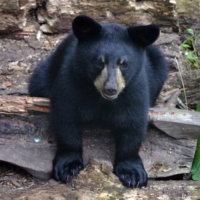
Bear and pileated woodpeck images c/o Daniel Elster.
Who Lives There?
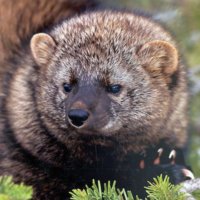
Many species call Epstein Family Forest and the surrounding landscape home. Learn more about the species that reside in this area.
This Project Conserves Diverse Habitats
Several unique habitats make up Willow-Witt Ranch. Explore a few of the habitats that support a range of wildlife.
How You Can Support Projects Like This
Make a difference for this project and others like it.
Find out how you can conserve America's forested lands.
Keep up-to-date on our forest conservation news.
Other Projects in the Klamath-Cascade
Bear Creek Working Forest
CA | 8,230 acres
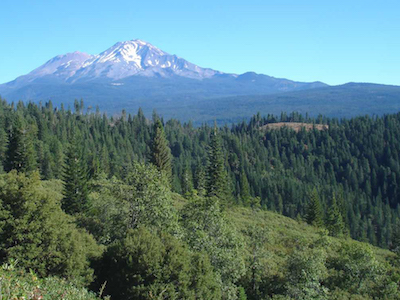
Conserving the headwaters of the Fall River protects California’s water supply, wildlife habitat, and jobs.
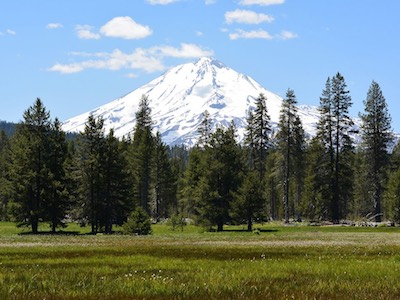
Butte Creek Meadows Working Forest
CA | 3,468 acres
A home to headwaters that provide cold, clear water for people and an abundance of wildlife.
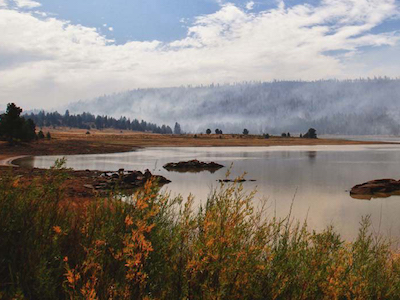
Goose Lake Restoration and Working Forest
CA | 32,686 acres
We joined Collins in California’s largest forest conservation and restoration partnership.
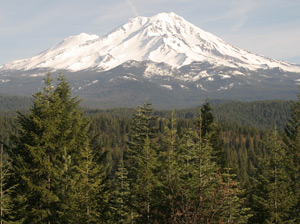
McCloud Dogwood Butte Working Forest
CA | 12,646 acres
This project expanded conservation of the McCloud River Watershed, benefitting California’s water, wildlife, and climate.
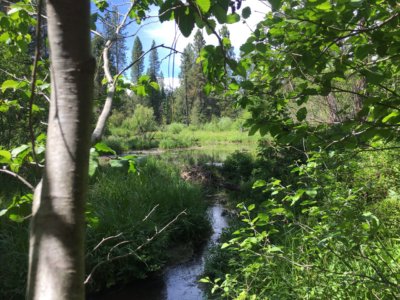
McCloud Soda Springs Working Forest
CA | 1,346 Acres
Once rezoned for residential development, this rolling woodland will stay intact to benefit wildlife, water, and the local economy.
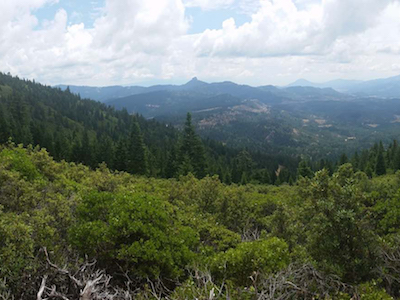
Mountcrest Working Forest
OR | 2,065 acres
Atop Oregon’s Siskiyou Crest, Mountcrest Forest has critical water, wildlife, and historic connections.
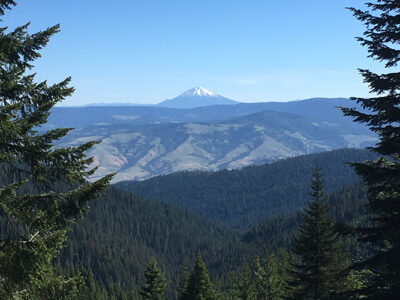
Mt Ashland Demonstration Forest
OR | 1,120 acres
An extraordinarily diverse forest in the upper Rogue River basin on Oregon’s Siskiyou Crest.

Shasta Timberlands Working Forest
CA | 7,490 acres
A keystone property that knits together the checkerboard ownerships of the adjacent Shasta-Trinity and Klamath National Forests.

Trinity Headwaters Forest Partnership
CA | 11,000 acres
PFT and the WRTC are teaming up to acquire forested headwaters encompassing almost 10% of the Upper Trinity watershed.
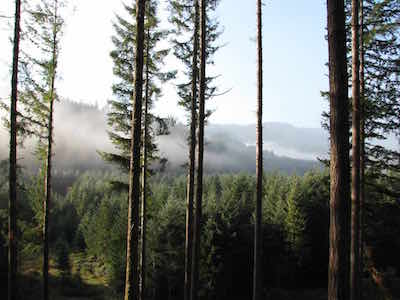
Van Eck Forest Laboratories
CA & OR | 9,400 acres
Two learning laboratories demonstrate the synergy of economic and ecologic return in sustainable forest management.