

Winter 2026
States Embrace Natural Climate Solutions
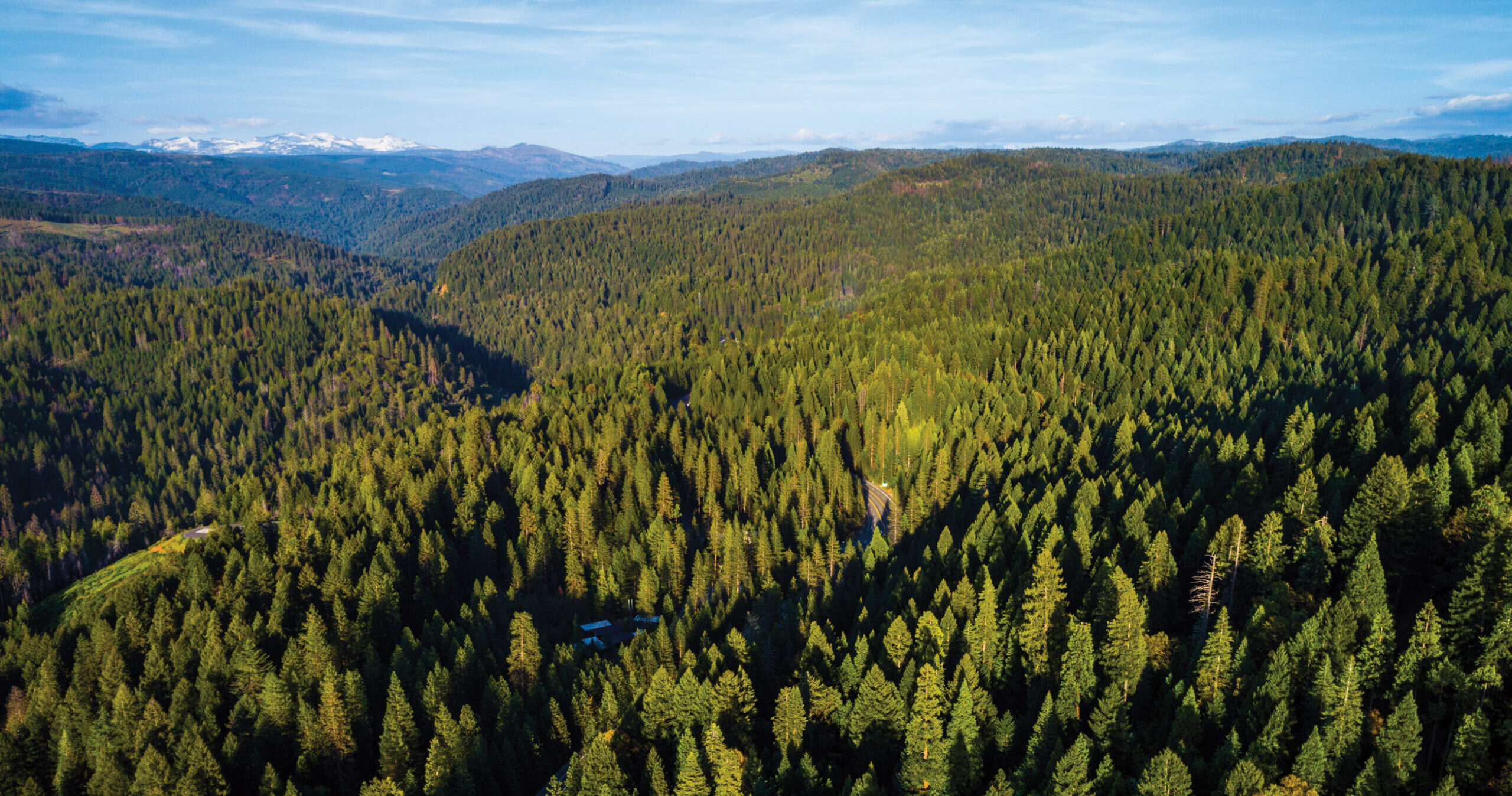
As climate-driven disasters like wildfires and severe storms increase, states are intensifying restoration and conservation efforts to help nature help us. In October, Oregon’s Governor Kotek announced an executive order (EO 25-26) focused on nature conservation and restoration for climate resilience.
The goal is to conserve 10% more of the states critical lands and waters as “climate resilient anchors” And California took another major step advancing natural climate solutions with Governor Newsom’s signature of SB 840 (Limón), extending the state’s Cap-and-Invest program and directing the California Air Resources Board (CARB) to develop alternative methodologies for in-state offset projects which meet broader criteria of helping fulfill the Nature Based Solutions Targets and 30×30 goals. The legislation does not name these as Nature-Based Climate Credits (NBCCs) per se, but the focus on a broader suite of climate benefits, and specifically towards meeting the conservation goals of 30×30 is clearly reflective of the NBCC goals (see ForestLife Summer 2025). This law elevates nature’s role in climate action and signals that the state is linking climate action with conservation and resilience.
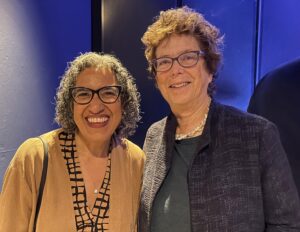
PFT’s Laurie Wayburn (right) with former CARB chair, Liane M. Randolph, who led CARB through this legislation.
This approach will expand cost-effective compliance options under the Cap-and-Invest system while delivering benefits far beyond carbon alone. Unlike existing offset projects — nearly half of which are sourced outside California — NBCCs are rooted in in-state conservation and restoration projects that are permanent, additional, verifiable, and quantifiable. That credibility ensures results Californians and companies alike can see and trust. Permanently conserving forests while managing to enhance carbon storage and overall ecosystem resilience gains measurable emissions reductions, greater wildfire resilience, secure water supplies, preserved habitat, timber products and sustained rural economies. At $10–15 per ton, this far more affordable than other reductions.
The potential is enormous. Conserving and improving management on even a fraction of California’s 12 million acres of privately owned conifer forests could yield 150–300 million tons of additional and resilient carbon storage in the next 10 years. Equally important, NBCC projects deliver multiple benefits for adaptation: healthier, more stable watersheds, fire resistant and resilient landscapes, biodiversity and habitat protection, and many rural resource jobs.
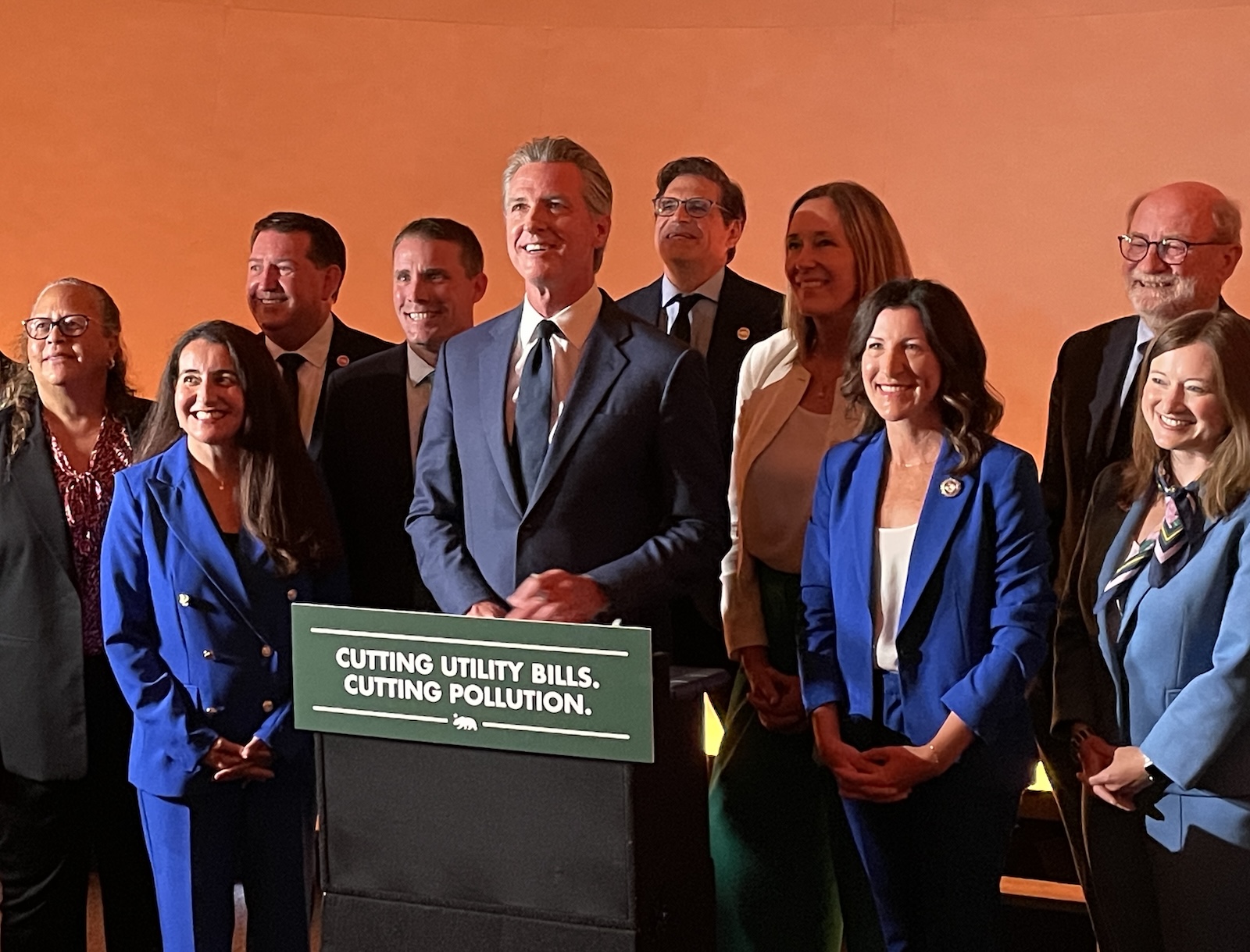
Governor Gavin Newsom and other state leaders, including Senator Limón and Assemblywoman Jackie Irwin, were key to this sweeping climate legislation.
This achievement has been years in the making. Beginning with AB 1757 (2022), which established the Natural and Working Lands Expert Advisory Committee, PFT was instrumental in shaping the targets and strategies for natural and working lands to play a larger role in climate action. The 1757 explicitly did not focus on carbon offsets, rather it focused on wholistic climate solutions that would accelerate both climate resilience overall and increase net carbon sequestration while supporting the state’s broader environmental and resource conservation goals. These included meeting the states 30×30 targets for biodiversity, protecting and restoring watersheds and supporting rural economies and frontline communities. SB 840 delivers on these recommendations by instructing CARB to evaluate and develop methodologies that recognize the unique value of in-state projects that support the state’s AB1757 and 30×30 targets — exactly the type of approach that NBCCs represent. Including this directive in the legislation is a major win and signals a clear policy direction for California.
PFT’s work now enters a critical new phase, working with CARB, the Natural Resources Agency and other stakeholders to ensure the new offset methodology lives up to its promise. This legislation underscores California’s recognition that nature must be at the center of successful climate action; by advancing approaches like NBCCs the state is not only strengthening its Cap-and-Invest program but also setting a model for how natural and working lands can deliver climate solutions at scale.
With years of persistent advocacy, California and now Oregon are taking bold steps to align climate policy with watershed protection, landscape resilience and biodiversity protection, while supporting rural communities in sustained conservation management.