
Quick Facts
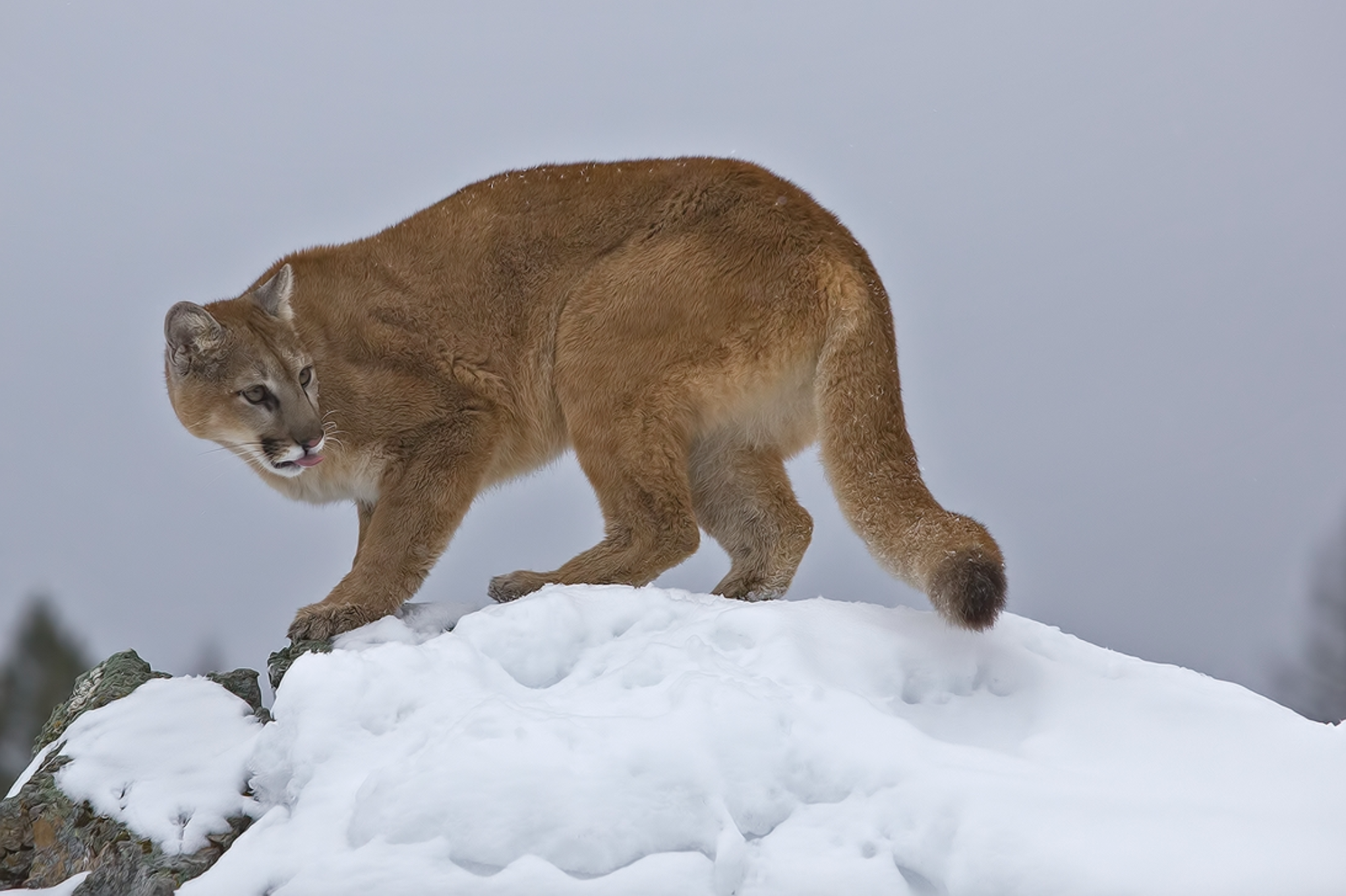
About the Mountain Lion
The mountain lion, also known as a cougar or puma, is the largest wild cat in North America. These solitary animals are incredibly adaptable and can be found in a wide variety of habitats, from mountains and forests to deserts and wetlands. They are most active at dusk and dawn.
Mountain lions are ambush predators, using their powerful hind legs to leap onto their prey. They play a crucial role as a keystone species, helping to keep prey populations in balance and, in turn, maintaining the health of their ecosystems.
Females typically give birth to a litter of two to three spotted cubs, which they raise on their own. The cubs will stay with their mother for up to two years, learning how to hunt and survive.
HOW YOU CAN HELP THIS SPECIES
The mountain lion needs your help to preserve its natural habitat. Together, with Pacific Forest Trust and our network of partners, we can all protect the spaces this species needs to survive.
Help conserve America's forests.
Conservation PROJECTS WITH
mountain lion HABITATS
The Pacific Forest Trust is dedicated to preserving natural habitats and forest systems where animals can thrive. Explore some of our conservation projects and easements in and around the coho salmon habitat.

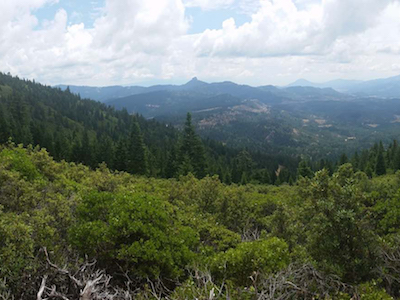
Mountcrest Working Forest
OR | 2,065 acres
Atop Oregon’s Siskiyou Crest, Mountcrest Forest has critical water, wildlife, and historic connections.
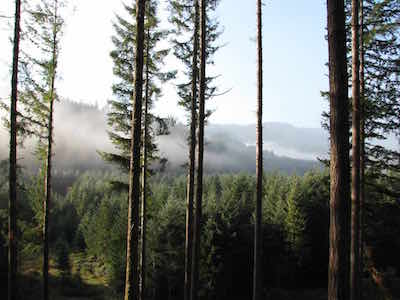
Van Eck Forest Laboratories
CA & OR | 9,400 acres
Two learning laboratories demonstrate the synergy of economic and ecologic return in sustainable forest management.