
Forest Flash: July 2026
In Pacific Forest Trust’s e-newsletter, Forest Flash, we send you the most recent PFT news and updates on forests, clean water, climate, and wildlife. Subscribe here.
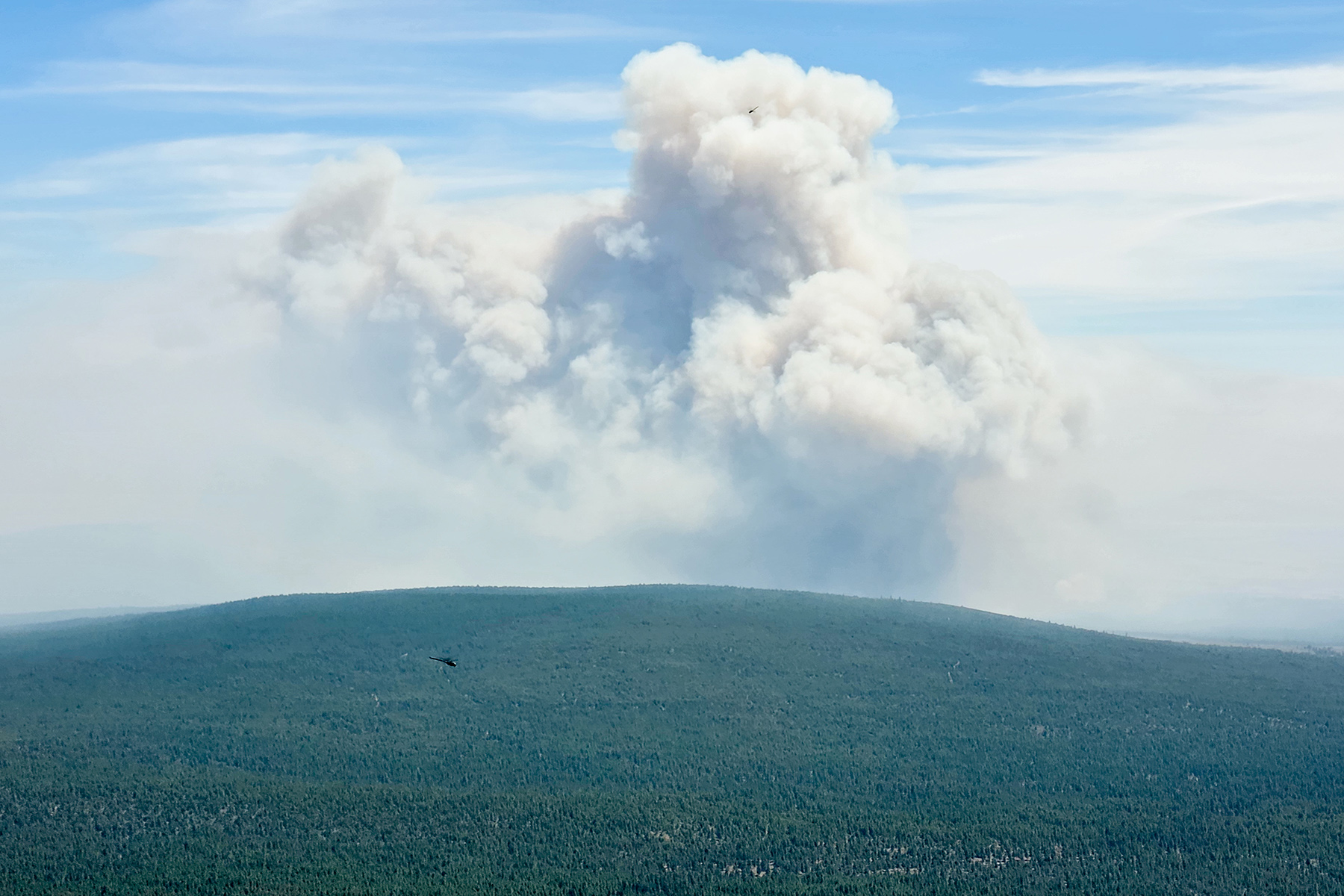
The West is experiencing more catastrophic fires than ever before. Right now in Oregon, 21 of the state’s 36 counties are under drought emergency declarations, and the season is only getting drier. Dozens of wildfires are currently burning across the state. And the state’s forests, naturally fire-adapted, are well outside the natural range of fuels loads, as well as resilience. PFT has worked for decades on fire policy at the state and local levels and has made significant contributions to advancing better fire management, including helping shape the Strategic Action Plan for CA’s next Administration. But the growing scale and complexity of the wildfire crisis demand new approaches.
That’s where Lauren Cahr comes in.
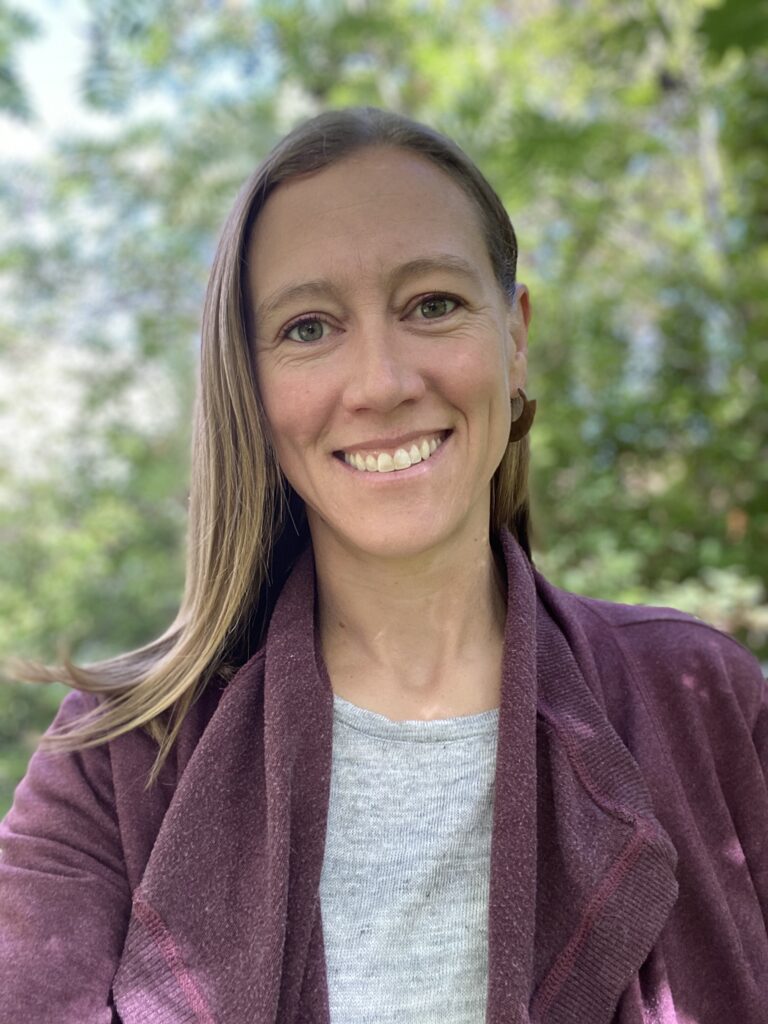 Lauren recently joined PFT as Project Manager for our Oregon Fuels, Forests, and Funding Initiative, where she’ll lead the development of a novel financing approach to promote strategic, well-coordinated fuels treatment across landscapes now at high risk of catastrophic fire and help contain fire-related utility costs while improving community safety and forest resilience. Based in our Portland office, Lauren has a background in environmental systems and engineering as well as two decades of experience leading complex interdisciplinary energy and environmental initiatives in public, private, and nonprofit settings.
Lauren will work with landowners, utilities, consumer groups, NGOs, and other stakeholders at the state and local levels, as well as an eminent Steering Committee that includes Jim Kelly, Michael Haglund, Nathan Green, Jamie Barbour, and PFT President Laurie Wayburn. Together, they’ll be working to develop a new approach—and a new scale of consistent funding—to help reduce wildfire risk, restore more fire resilient forests and support safer communities.
We’re excited to begin this work and to see the results. Many thanks to the Volgenau Climate Initiative (VCI) for helping launch this important initiative.
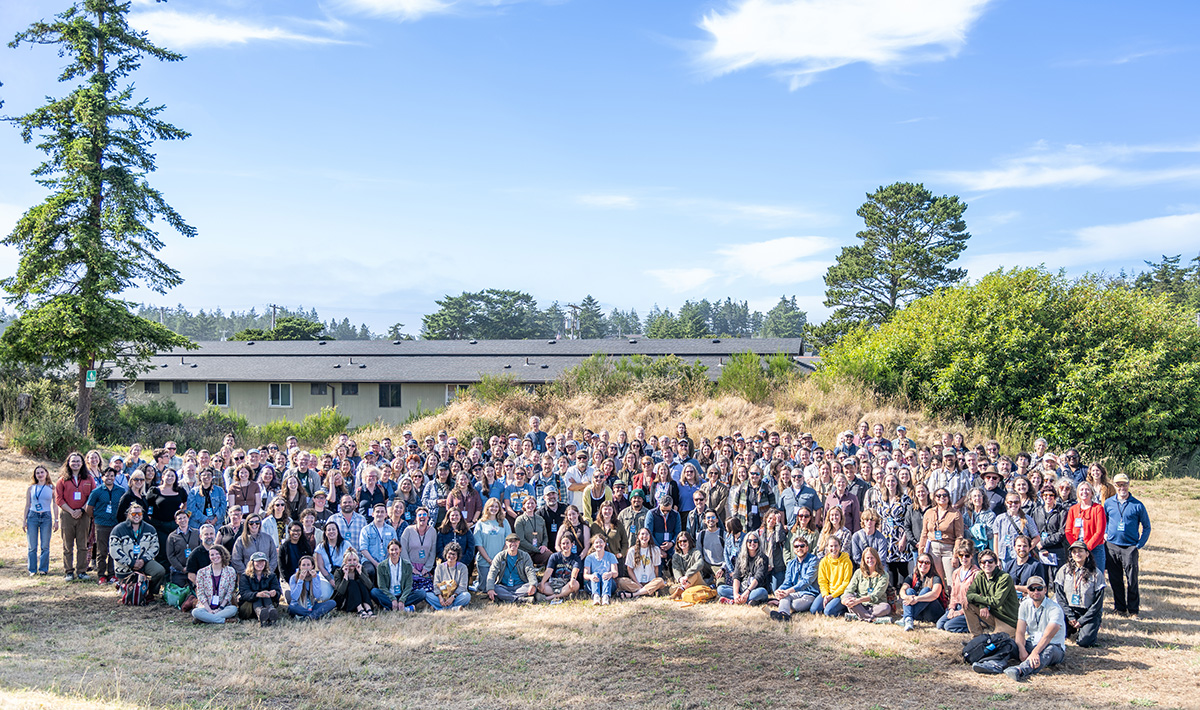
PFT’s Stewardship and Outreach Associate Lyndia Hammer was invited to present on a panel discussing the use of fire for the biannual Coalition of Oregon and Washington Land Trusts conference on June 25 in Florence, OR.
Over 300 people attended Land Camp from land trusts all over Washington and Oregon. There is growing interest among land trusts in the use of prescribed fire as a restoration tool on conserved lands, often in collaboration with Indigenous Knowledge holders to facilitate cultural burns.
Lyndia joined with panelists Joe Scott from the Traditional Ecological Inquiry Program — who worked with PFT on our Mount Ashland Demonstration Forest and its fire program — Peter Cooper from the Deschutes Land Trust, and Kristi Mergenthaler from the Southern Oregon Land Conservancy. They shared stories from each organization’s successes and challenges with prescribed fire and cultural burning. Lyndia discussed where and why PFT conducts managed burns.
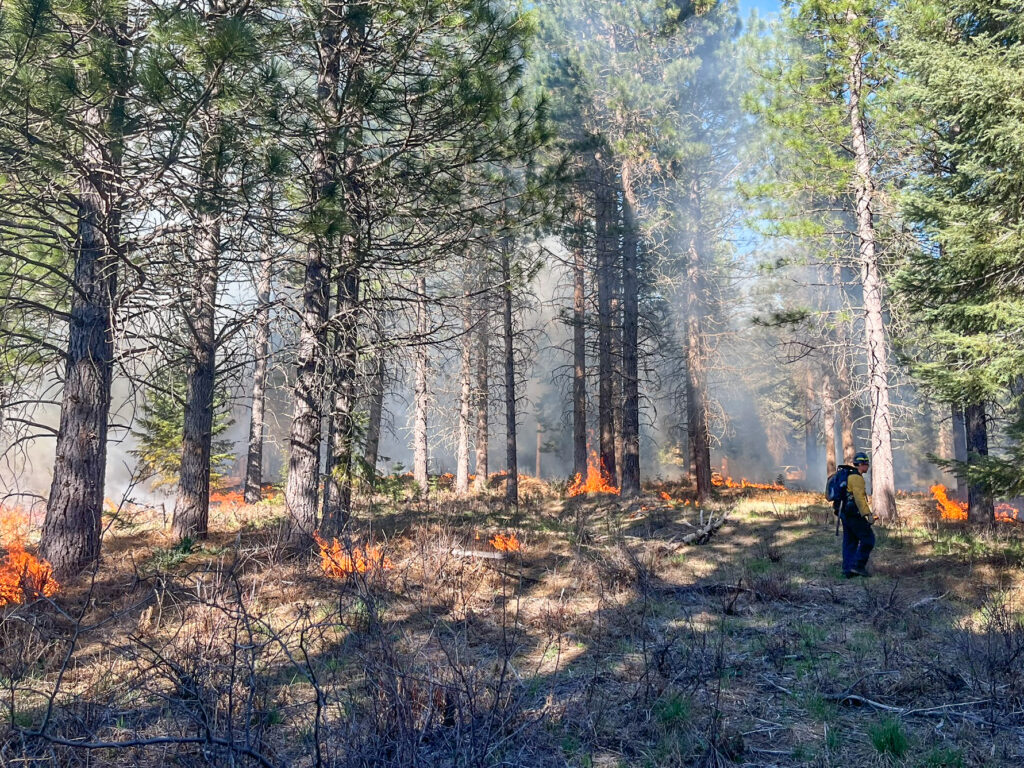 In order to reintroduce a more natural– and safer– fire regime, we reduce fuel loading, thin young conifers that have encroached or accelerated their growth due to fire exclusion, create openings to encourage native plant diversity in the understory, improve wildlife habitats, increase resilience to future fires, and support local community’s fire protection. This has been done very successfully at PFT’s McCloud Soda Springs project. Successful burns require extensive outreach to neighbors, agencies, and community groups. As PFT’s Stewardship Director Jack Singer says: “Invite people in” and “be sure we are doing it for the land”.
Lyndia also discussed PFT’s approach to reintroducing fire at the Mt Ashland Demonstration Forest. There, the burn objectives are designed to restore the natural extent of both wet and dry meadows, by thinning our encroaching conifers, reestablish a more natural density and composition of conifers and the structure of a diverse native forest habitat. Located at higher elevation (over 5, 000 feet) and with a north facing aspect, this is cooler and wetter than many areas of the state where burning has been implemented and will serve as a model for how to manage fire in the highly diverse conifer forests of the Siskiyou Crest.
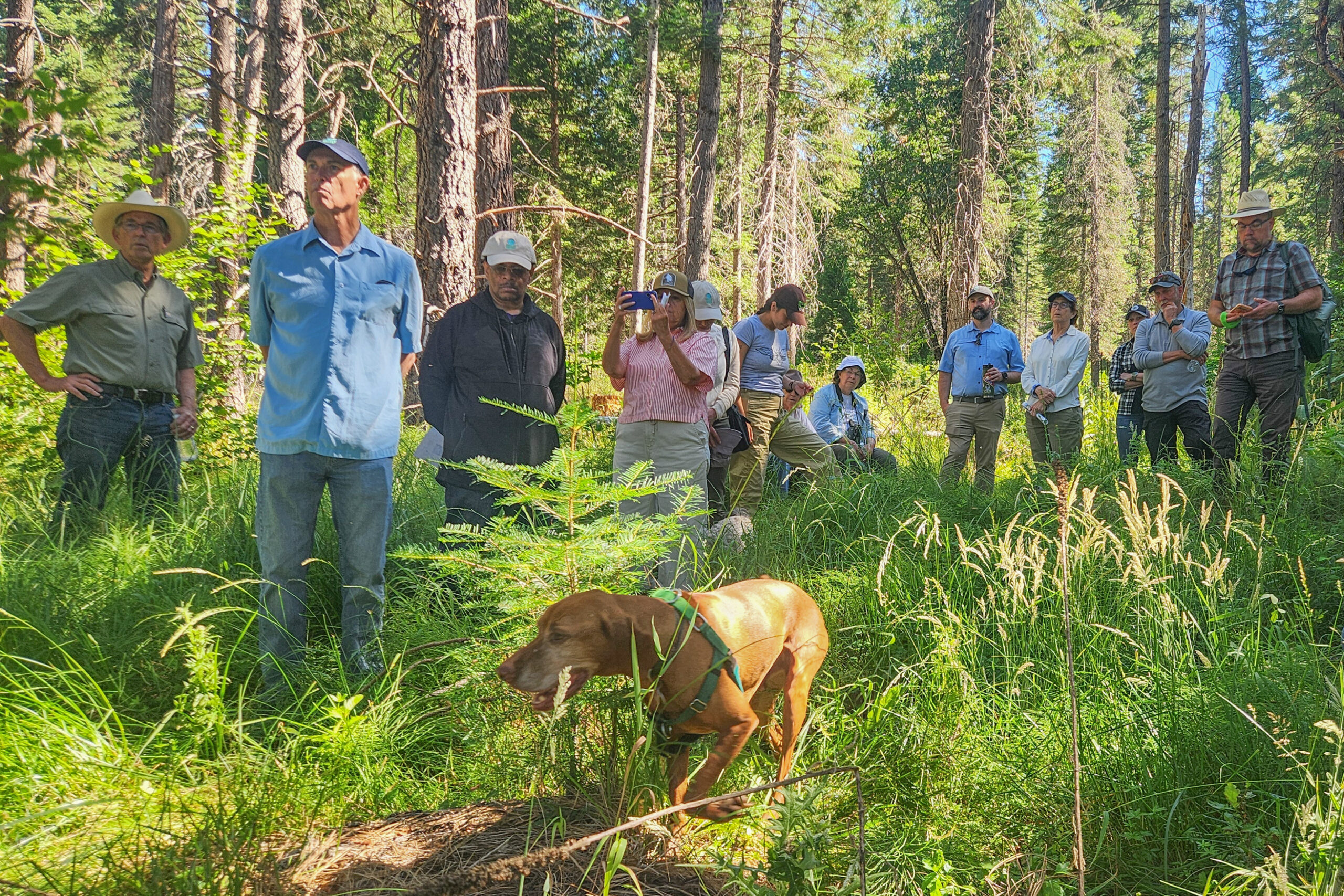
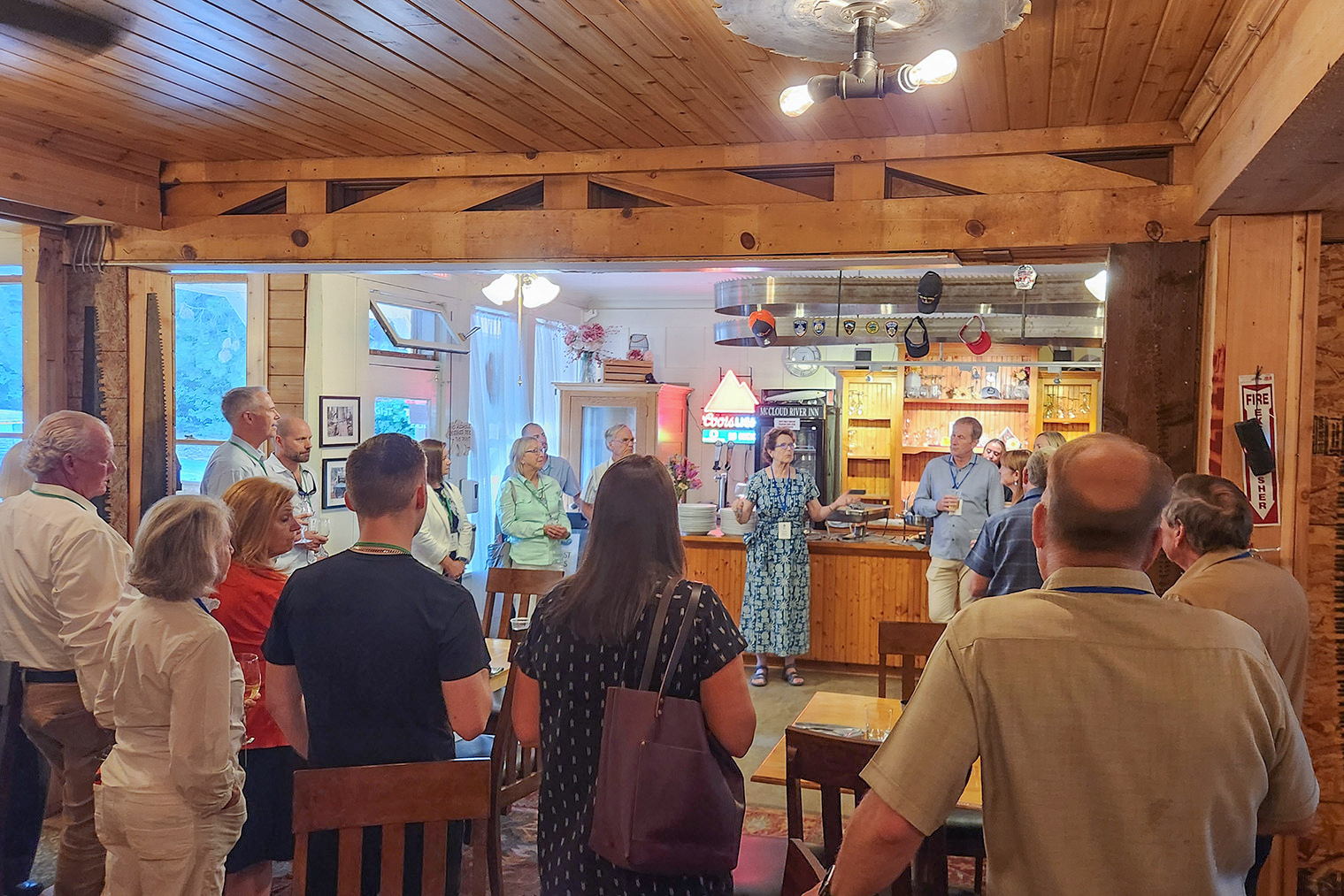
PFT was honored to have U.S. Representative Jared Huffman (CA-02) join us for a tour of our McCloud Soda Springs property earlier this month as well as at a gathering in McCloud, California. Congressman Huffman is the Ranking Member of the House Natural Resources Committee, which oversees many issues concerning forest management, including wildlife and habitat values, fire impacts, and watershed health. His district also encompasses vast conifer and hardwood forests, both publicly and privately owned; this tour provided the opportunity for direct experience with both forest and community concerns.
The tour of McCloud Soda Springs illustrated the impact and effectiveness of ecological management on commercial conifer forests. The forest has been harvested, had biomass removal, and then a managed broadcast burn across the entire area. The results of the burn are very positive, with a flush of new, green growth and documentation of key species using the property in the aftermath. Many sensitive and iconic wildlife species, including Pacific fisher, willow flycatcher, and elk are found on McCloud Soda Springs. While touring the forest, an energetic discussion ensued on a wide variety of topics, from how to restore more resilient diverse forests, to policies and practices that promote implementing fuels reductions and reintroducing fire at scale, to timber markets and related challenges.
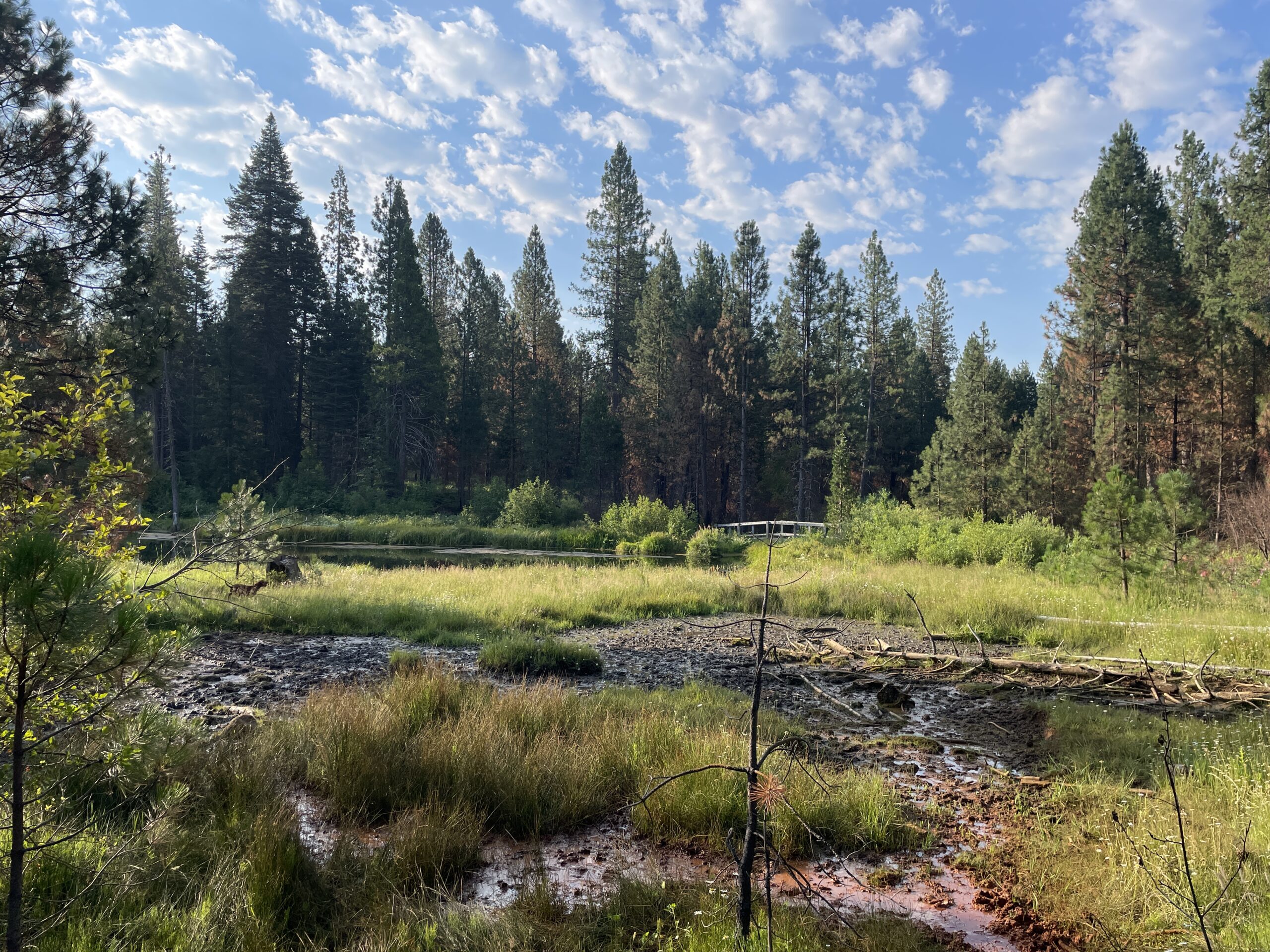
McCloud is a prime example of the evolving mindset around fire management in California. While the community was initially hesitant about the prescribed burns at McCloud Soda Springs, through community outreach and one-on-one conversations, as well as witnessing the burns, it is widely recognized that the burns have been beneficial for both the forest and the community.
Through conservation easements with PFT, forests and the species that depend on them are protected forever. Those protections endure for future generations.
If you’d like to help us continue supporting forest health, advancing climate solutions, protecting watersheds, and keeping rural communities and economies safe and vibrant, please click below to support PFT!
ICYMI
In case you missed it (ICYMI), here are some other exciting things PFT has been involved in lately!
- Good News Network recently published a story about a ringtail spotted in the Epstein Family Forest! Check it out here.
- On Arbor Day, Pacific Forest Trust President & co-founder Laurie Wayburn had an opinion piece published in The Progressive Perspectives and dozens of other outlets explaining why, and how, we can manage forests for their many benefits. Read the full article here.
- PFT president and co-founder Laurie Wayburn wrote an op-ed in response to a recent article about raising the height of Shasta Dam, explaining other forest-based solutions to water reform. Read more details here.
- A quote from Pacific Forest Trust was featured in the San Francisco Chronicle’s front-page story on California’s cap-and-invest overhaul, which may gut the fund that supports that state’s most critical wildfire, forest, and climate programs. Read the article here.
- We’re hiring! If you love forests and have experience in leadership, communications, fundraising or conservation project management, check out our current job openings.