What We Do
What We Do
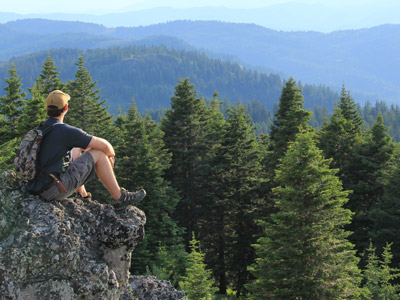
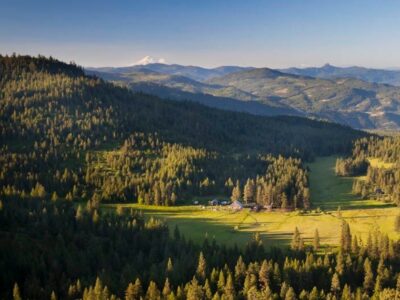
Conserve Forests
We work with landowners to conserve well-managed forests, building resilient landscapes.
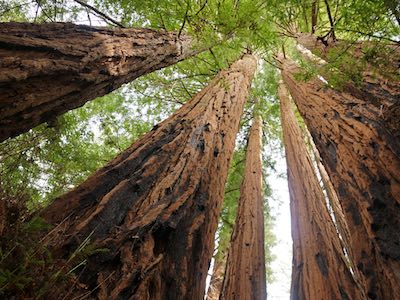
Advance Climate Solutions
We protect, restore, and sustain forests to mitigate climate change and help species adapt.
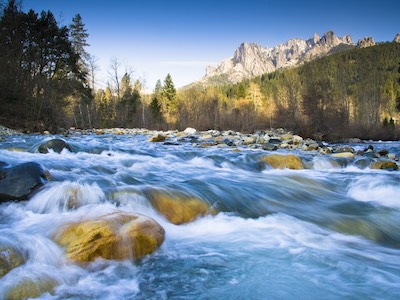
Protect Water Sources
We ensure water security by protecting forests that provide life-sustaining water to millions.
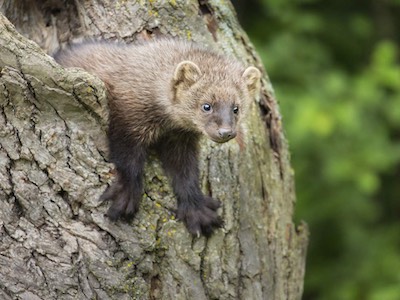
Save Wildlife Habitat
We conserve and restore habitat to protect the animals and plants that depend on forests.
Recent News
May 2026 Forest Flash
Forest Flash: May 2026 In Pacific Forest Trust's e-newsletter, Forest Flash, we send you the most recent PFT news and updates on forests, clean water, climate, and wildlife. Subscribe here.The Future of the Epstein Family Forest has Been Funded!We are thrilled to...
April 2026
In this Issue: “Managing Forests and Agricultural Lands for Climate Benefits” at Climate Week 2026, Expanding Our Staff and Impact, and Forest Fete Fun and Fundraising
March 2026
In this issue: Restoring Critical Habitats While Reducing Fuels Loads, Good Fire at Work: Burning for Benefits at McCloud Soda Springs, and Managing Older Forests as Natural Climate Solutions.
Stay in the know by keeping up-to-date with our forest conservation news.
Our Conserved Working Forests
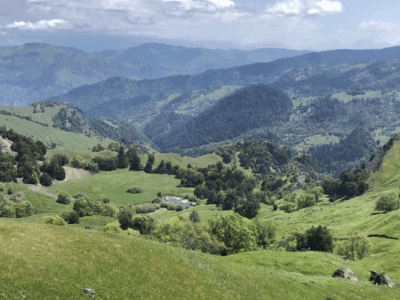
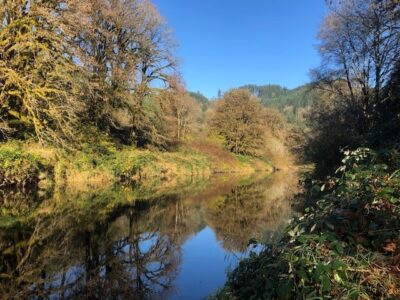
Alsea River Bend Working Forest
Oregon | 1,100 acres
More than 1,100 acres of highly productive and biodiverse forest land near Oregon’s coast have been protected forever …
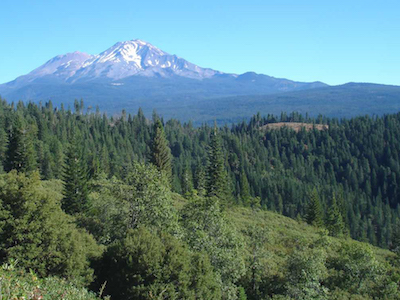
Bear Creek Working Forest
CA | 8,230 acres
Conserving the headwaters of the Fall River protects California’s water supply, wildlife habitat, and jobs.
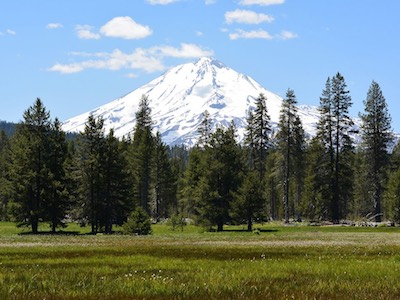
Butte Creek Meadows Working Forest
CA | 3,468 acres
A home to headwaters that provide cold, clear water for people and an abundance of wildlife.
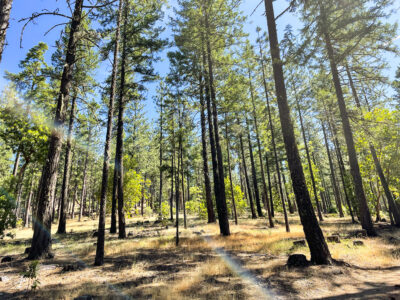
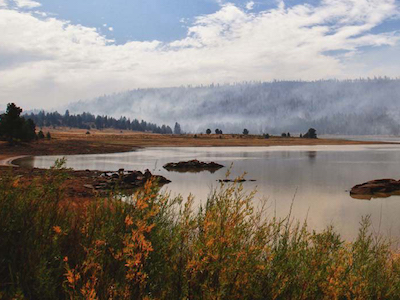
Goose Lake Restoration and Working Forest
CA | 32,686 acres
We joined Collins in California’s largest forest conservation and restoration partnership.
McCloud Dogwood Butte Working Forest
CA | 12,646 acres
This project expanded conservation of the McCloud River Watershed, benefitting California’s water, wildlife, and climate.
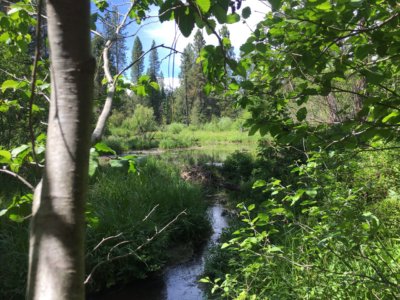
McCloud Soda Springs Working Forest
CA | 1,346 Acres
Once rezoned for residential development, this rolling woodland will stay intact to benefit wildlife, water, and the local economy.
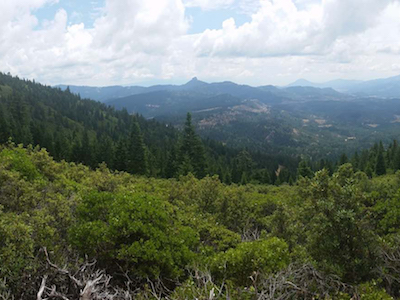
Mountcrest Working Forest
OR | 2,065 acres
Atop Oregon’s Siskiyou Crest, Mountcrest Forest has critical water, wildlife, and historic connections.
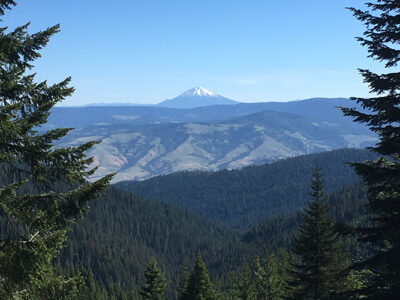
Mt Ashland Demonstration Forest
OR | 1,120 acres
An extraordinarily diverse forest in the upper Rogue River basin on Oregon’s Siskiyou Crest.
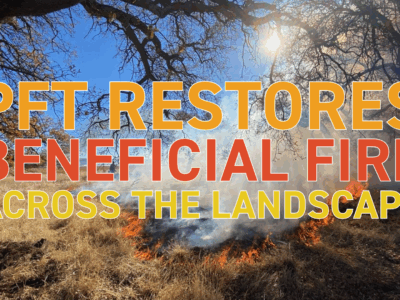

Shasta Timberlands Working Forest
CA | 7,490 acres
A keystone property that knits together the checkerboard ownerships of the adjacent Shasta-Trinity and Klamath National Forests.

Trinity Headwaters Forest Partnership
CA | 11,000 acres
PFT and the WRTC are teaming up to acquire forested headwaters encompassing almost 10% of the Upper Trinity watershed.
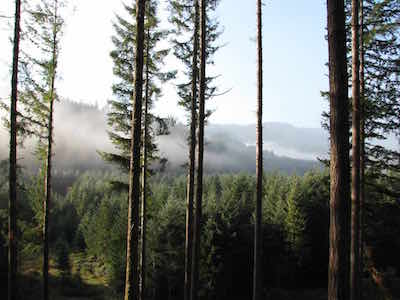
Van Eck Forest Laboratories
CA & OR | 9,400 acres
Two learning laboratories demonstrate the synergy of economic and ecologic return in sustainable forest management.